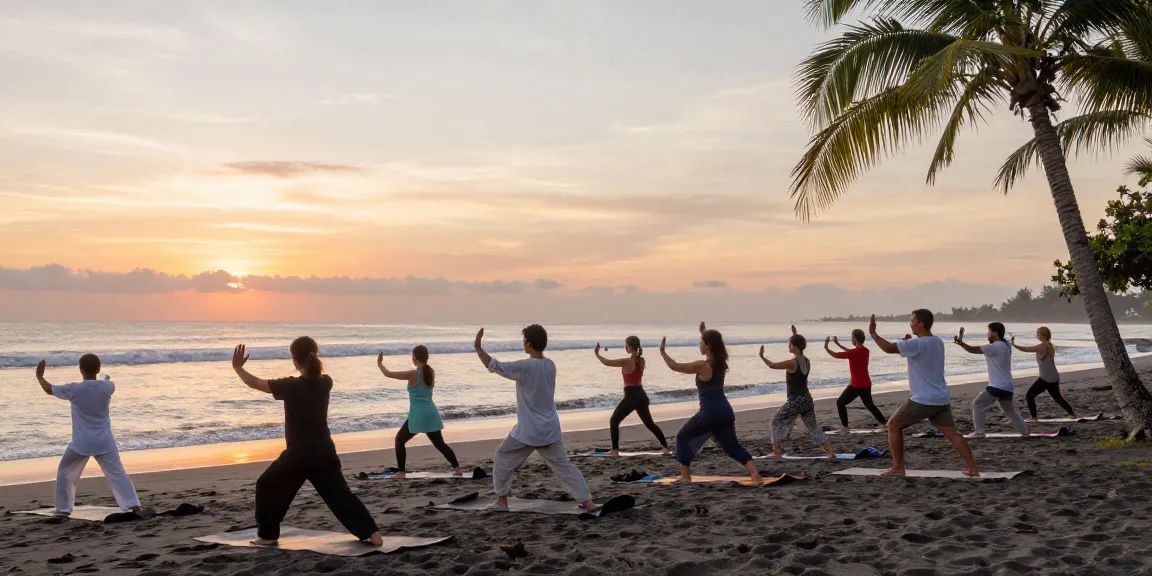
The Benefits of Tai Chi Classes Bali
Nestled in the lush landscapes of Bali, Tai Chi classes offer a seamless blend of physical activity and mental tranquility, attracting individuals from diverse backgrounds. As an ancient Chinese martial art, Tai Chi is often described as "meditation in motion," making it an ideal practice for those seeking balance and serenity in their hectic lives. With a growing interest in holistic wellness, Tai Chi classes in Bali have become a beacon for both locals and tourists looking to rejuvenate their minds, bodies, and spirits.
When exploring options, Tai Chi classes Bali provide comprehensive insights into various styles and techniques. This practice not only encourages relaxation but also fosters a sense of community among practitioners, enhancing the overall experience.
What are the health benefits of Tai Chi?
The health benefits of Tai Chi are profound and wide-ranging. Numerous studies have shown that practicing Tai Chi can lead to improvements in cardiovascular health, increased immunity, and reduced stress levels. Regular participation in Tai Chi has been associated with:
- Lower blood pressure: The gentle, flowing movements help to promote better circulation and reduce strain on the heart.
- Enhanced balance: As a practice rooted in stability, Tai Chi teaches practitioners how to maximize their center of gravity, reducing the risk of falls.
- Improved respiratory function: Deep breathing techniques incorporated in Tai Chi facilitate better oxygen absorption.
- Reduced pain: Many practitioners report experiencing relief from chronic pain conditions such as arthritis due to the low-impact nature of the practice.
Improving mental wellness through Tai Chi
Mental wellness is a crucial aspect of overall health, and Tai Chi plays a significant role in promoting psychological well-being. The meditative quality of Tai Chi allows individuals to escape from the chaos of daily life and focus on the present moment. This mindfulness helps in:
- Reducing anxiety: The rhythmic movements can calm the nervous system.
- Enhancing mood: Regular practice has been linked to increased levels of serotonin, the body's natural mood stabilizer.
- Boosting cognitive function: Engaging in Tai Chi can improve memory and cognitive flexibility, particularly in older adults.
How Tai Chi enhances bodily strength and flexibility
Contrary to the perception of Tai Chi as merely slow and gentle, it effectively builds strength and flexibility. The practice emphasizes a full range of motion, which enhances flexibility across muscle groups. Benefits include:
- Core strength: Many movements are centered around core engagement, leading to improved stability.
- Joint flexibility: Continuous movement through the joints helps maintain their range of motion and can alleviate stiffness.
- Muscle tone: Slow, controlled movements challenge muscles in a way that promotes endurance without the risk of injury associated with high-impact exercises.
Finding the Right Tai Chi Classes in Bali
With numerous options available, selecting the right Tai Chi class in Bali can seem daunting. However, a well-informed approach can help you find a class that meets your needs while enriching your experience.
How to choose a reputable Tai Chi instructor?
Choosing a qualified instructor is paramount to your Tai Chi journey. Consider the following aspects:
- Credentials: Look for instructors with certifications from recognized Tai Chi organizations.
- Experience: An instructor with years of experience will often provide deeper insights and tailored guidance.
- Teaching style: Attend a trial class if possible to determine if the instructor’s teaching style resonates with you.
Best locations for Tai Chi classes across Bali
Bali offers a diverse range of settings for practicing Tai Chi, from serene beaches to tranquil gardens. Key locations include:
- Ubud: Known for its holistic wellness community, Ubud boasts numerous classes that often incorporate beautiful natural surroundings.
- Canggu: A popular area among younger expats and surfers, Canggu features vibrant Tai Chi classes that blend modern wellness trends.
- Denpasar: The bustling heart of Bali, offering various classes that cater to both beginners and advanced practitioners.
Online reviews and recommendations for Tai Chi in Bali
Before committing to a class, it’s advisable to research online reviews and testimonials. Websites like TripAdvisor, Facebook, and specialized wellness retreat platforms provide insights into the experiences of previous students. Look for feedback regarding:
- Instructor quality and engagement
- Class structure and content
- Overall environment and class sizes
Understanding Tai Chi Techniques
Understanding the basic movements and principles of Tai Chi is essential for any beginner. Each movement is designed to flow into the next, creating a continuous, harmonious practice that reflects its martial arts origins.
Basic movements and styles of Tai Chi
Several styles exist, each with its unique characteristics:
- Yang Style: The most common form, known for its large, sweeping movements.
- Chen Style: Incorporates more explosive movements and is often considered more physically demanding.
- Wu Style: Characterized by smaller, more compact movements, ideal for maintaining balance.
Beginners should focus on mastering basic forms, such as the "Commencing Form" and "Grasping the Bird's Tail," which serve as foundational elements for more complex movements.
Common misconceptions about Tai Chi practice
Many misconceptions surround Tai Chi, causing potential practitioners to overlook its benefits:
- Myth: Tai Chi is only for the elderly. Truth: People of all ages can enjoy and benefit from Tai Chi.
- Myth: Tai Chi is not a workout. Truth: The practice can be physically demanding, promoting strength, flexibility, and total body awareness.
- Myth: Tai Chi requires extensive prior experience. Truth: Classes cater to all levels, making it accessible for beginners.
Integrating Tai Chi into your daily routine
Incorporating Tai Chi into daily life can enhance physical and mental well-being. Consider starting with:
- Morning sessions to energize your day
- Evening practices for relaxation and mindfulness
- Combining Tai Chi with other forms of exercise for a balanced routine
Challenges in Learning Tai Chi
Like any new skill, learning Tai Chi comes with its challenges. However, being aware of these hurdles can help you navigate them more effectively.
Overcoming beginner challenges in Tai Chi classes
New practitioners often face difficulties such as:
- Difficulty coordinating movements: Start with basic forms and gradually increase complexity.
- Lack of flexibility: Focus on gentle stretching before and after class to improve overall range of motion.
- Impatience with progress: Recognize that mastery takes time; celebrate small accomplishments.
Addressing common fears and anxieties
If you feel anxious about joining a class, it can be helpful to:
- Visit the facility beforehand to familiarize yourself with the environment.
- Speak to the instructor about your concerns; they can provide reassurance and guidance.
- Attend introductory workshops or one-on-one sessions to build confidence.
Setting realistic goals in your Tai Chi practice
Setting realistic goals allows for a more rewarding experience. Consider aiming for:
- Consistent practice schedule: Aim for two to three sessions per week.
- Mastery of specific forms within a timeframe: Give yourself ample time to learn and refine a movement.
- Participation in community events: Engage with others to enhance learning and enjoyment.
The Future of Tai Chi in Bali (2026 and Beyond)
As Bali continues to evolve as a wellness destination, the future of Tai Chi holds exciting possibilities. With an increasing focus on holistic health, more people are expected to embrace this practice in the years to come.
Emerging trends in Tai Chi and wellness retreats
In 2026 and beyond, we can anticipate:
- Integration with modern fitness trends: Tai Chi will likely be combined with yoga, Pilates, and meditation for comprehensive wellness programs.
- Growth in corporate wellness programs: Companies may seek Tai Chi classes as part of employee wellness initiatives.
- Increased focus on virtual classes: The rise of online Tai Chi sessions will allow for global participation.
Community events and workshops in Bali
Community-driven Tai Chi events are gaining popularity, providing opportunities for practitioners to come together, learn from experts, and celebrate this ancient art. Watch for:
- Annual Tai Chi festivals
- Workshops featuring renowned instructors
- Open classes in public spaces to attract newcomers
How technology is changing Tai Chi classes
As technology continues to advance, it offers new avenues for learning Tai Chi:
- Mobile apps for guided practice at home
- Live-streamed classes and workshops with expert instructors from around the world
- Online communities for interaction and support among practitioners
What is the average price of a Tai Chi class?
The average price of a Tai Chi class in Bali can vary significantly based on location and the instructor's expertise. Generally, expect to pay:
- $15 - $30 for group classes
- $60 - $100 for private lessons
- Retreat packages may range from $300 to $800 depending on duration and included amenities
Where can I find Tai Chi retreats in Bali?
Many wellness centers and retreats in Bali offer specialized Tai Chi programs. Key places include:
- Ubud Wellness Retreats
- Yoga Barn in Ubud
- Como Shambhala Estate
Is Tai Chi more difficult than yoga?
The difficulty level of Tai Chi versus yoga often depends on individual preference and the particular styles practiced. Generally, Tai Chi's slower, more deliberate movements can be less physically demanding than some vigorous forms of yoga, making it accessible to a wider audience.
How much does a Tai Chi lesson cost?
The cost of Tai Chi lessons varies, with prices typically ranging from $15 to $30 for group classes, while private sessions might be priced between $60 and $100 per hour, depending on the instructor's experience and the setting.
What to expect during a Tai Chi class?
During a typical Tai Chi class, you can expect:
- Warm-up exercises to prepare your body
- Instruction on basic forms and techniques
- Cooldown sessions focusing on meditation and breathing techniques
Classes are usually designed to cultivate a supportive and inclusive atmosphere, catering to all skill levels. With the right approach, Tai Chi classes in Bali can be a transformative experience, connecting you deeply with both yourself and your surroundings.