
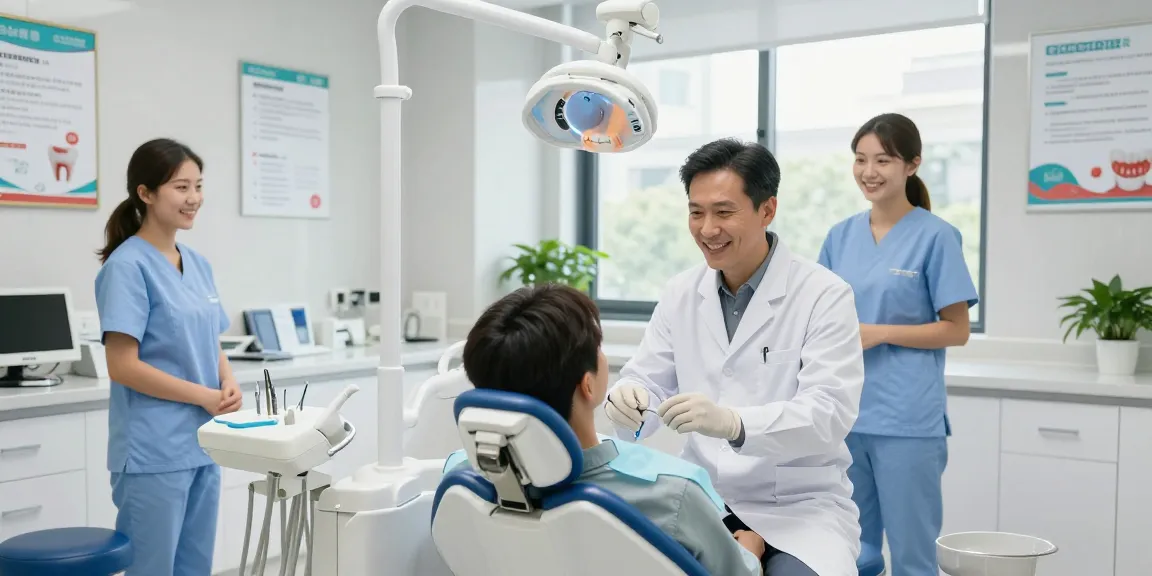
Understanding the Importance of Regular Dental Visits
Dental health is a crucial component of overall well-being. Regular visits to the dentist not only ensure that your teeth and gums remain healthy but also help in identifying potential issues before they escalate into serious problems. Many individuals often overlook the significance of these routine check-ups due to busy lifestyles or fear of dental procedures. However, prioritizing dental visits can lead to a healthier, brighter smile and prevent complications that are often more expensive and painful to treat. For those in search of quality dental care, visit Dentee for easy access to a dentist in your area.
Why Visit a Dentist Regularly?
Regular dental visits are essential for maintaining good oral health. The American Dental Association recommends seeing a dentist at least twice a year. These visits allow for professional cleanings that remove plaque and tartar that regular brushing cannot eliminate. Additionally, during these appointments, dentists can conduct comprehensive examinations, including X-rays, to detect signs of tooth decay, gum disease, and other oral health issues early on.
Common Dental Health Issues Avoided by Regular Check-ups
Routine dental visits can help avoid numerous common dental health issues, including:
- Tooth decay: Regular check-ups enable early detection and treatment of cavities before they progress.
- Gum disease: Monitoring gum health can prevent gingivitis and periodontitis, which can lead to tooth loss.
- Oral cancer: Dentists are trained to recognize early signs of oral cancer, significantly increasing the chances of successful treatment.
- Tooth sensitivity: Regular visits help to diagnose the cause of sensitivity and provide appropriate treatments.
The Long-term Benefits of Preventive Care
Investing in preventive dental care not only saves time and money in the long run but also improves quality of life. Healthy teeth and gums contribute to better chewing, speaking, and even self-esteem. Furthermore, studies have shown a correlation between oral health and systemic conditions like diabetes and heart disease, indicating that regular dental visits may also promote overall health.
Choosing the Right Dentist for Your Needs
Finding the right dentist can significantly influence your dental experience. With so many professionals available, it’s important to consider several factors to ensure that your needs are met effectively and comfortably.
Key Factors to Consider When You Visit
When choosing a dentist, consider the following:
- Credentials and experience: Ensure the dentist is qualified and has the necessary experience, particularly in the areas where you may require specialized care.
- Specialization: Depending on your specific dental needs, you may need a specialist, such as an orthodontist for braces or a periodontist for gum issues.
- Insurance acceptance: Check whether the dentist accepts your insurance plan to minimize out-of-pocket expenses.
- Location and availability: A conveniently located practice with flexible hours can make regular visits more manageable.
How to Find a Dentist with the Right Specialization
It’s crucial to find a dentist who specializes in the area of care you need. For example, if you require a dental implant, it’s best to see an oral surgeon with expertise in that specific procedure. Online platforms, such as Dentee, allow you to search for dentists based on their specialization and location, ensuring you receive the best care tailored to your needs.
Reading Reviews and Testimonials Before Your Visit
Before making an appointment, it’s beneficial to read reviews and testimonials from other patients. Websites and social media platforms often host reviews that provide insights into a dentist’s practice, staff behavior, and service quality. This can significantly influence your decision and set your expectations for your upcoming visit.
Preparing for Your Dental Appointment
Preparation for your dental appointment can enhance the overall experience and ensure you make the most of your time with the dentist. It’s important to be proactive in communicating your concerns and needs.
What to Bring and Questions to Ask During Your Visit
To ensure a productive visit, bring the following items:
- Your insurance card and any necessary documentation.
- A list of medications you are currently taking.
- A detailed summary of any dental issues or symptoms you have been experiencing.
Additionally, prepare a list of questions to ask your dentist, such as:
- What treatment options are available for my dental concerns?
- How can I improve my oral hygiene routine?
- What are the potential risks or side effects of the recommended treatments?
Understanding Your Rights as a Patient
As a patient, you have the right to receive comprehensive care and to be informed about your treatment options. Familiarizing yourself with these rights can empower you during your visit, enabling you to advocate effectively for your health.
How to Communicate Your Concerns Effectively
Effective communication with your dentist is key to receiving the best care. Be open about your fears, preferences, and any past experiences that may influence your treatment. Doing so allows the dentist to tailor their approach to meet your specific needs.
What to Expect During Your Dental Visit
Understanding what to expect during your dental visit can alleviate anxiety and help you prepare mentally.
The Standard Procedures You May Encounter
During your visit, the following procedures are common:
- Oral examinations: The dentist will assess your overall oral health, identifying any potential issues.
- X-rays: These images provide valuable insights into your dental structure and help detect problems not visible during a standard examination.
- Professional cleaning: A dental hygienist typically performs this procedure, removing plaque and tartar buildup.
Understanding Diagnostic Tools and Techniques
Modern dental practices utilize advanced diagnostic tools, including digital X-rays and intraoral cameras. These technologies not only improve the accuracy of diagnoses but also enhance patient understanding, allowing you to visualize your oral health status.
Post-Visit Care and Follow-up Plans
After your appointment, your dentist may provide specific post-care instructions, especially if you have undergone a procedure. Following these guidelines is crucial for optimal recovery and long-term dental health. Additionally, schedule follow-up appointments as recommended to maintain your health.
Future Trends in Dental Care and Technology
The dental industry is continuously evolving, with advancements in technology making dental visits more efficient and patient-friendly. Staying informed about these trends can improve your overall experience.
Innovative Techniques Revolutionizing Dental Visits in 2026
Emerging techniques such as laser dentistry and 3D printing are revolutionizing how dental procedures are performed. These innovations can result in less discomfort, faster healing times, and more precise treatments, thereby enhancing the overall patient experience.
Tele-dentistry: A New Way to Access Dental Care
Tele-dentistry has become increasingly popular, especially following the COVID-19 pandemic. This approach allows patients to consult with dentists via video calls, making dental advice and check-ups more accessible, particularly for those with mobility issues or those living in remote areas.
How AI and Technology Improve Your Dental Experience
Artificial intelligence (AI) is playing a significant role in enhancing dental care. AI-driven tools can analyze dental images with great accuracy and assist dentists in creating personalized treatment plans. These technologies not only improve diagnostic capabilities but also streamline administrative tasks, thereby enhancing patient experience.
What should I do if I have dental anxiety?
If dental anxiety is a concern, communicate openly with your dentist about your fears. Many practices offer sedation options or calming environments to help alleviate anxiety during visits.
How often should I visit the dentist?
Typically, it is recommended to visit the dentist every six months. However, your specific needs may dictate a different schedule, especially if you have existing dental issues.
Can I find a dentist who accepts my insurance?
Finding a dentist who accepts your insurance plan is highly feasible. Use online resources or contact your insurance provider for a list of covered dentists in your area.
What are the best ways to maintain oral health between visits?
To maintain optimal oral health between dental visits, practice daily brushing and flossing, limit sugary snacks, and stay hydrated. Regularly using mouthwash can also help keep your mouth fresh and healthy.
Are there special considerations for children’s dental visits?
When it comes to children’s dental health, it is essential to start visits early—typically around their first birthday. Ensure that your pediatric dentist is experienced in handling the specific needs and anxieties of young patients, making visits more enjoyable for them.

